Multi-Tenant Community & Talent Marketplace
A white-label platform where every community runs as its own workspace, with a built-in talent marketplace.
The problem
Professional communities each want their own workspace, branding, roles, and moderation, but standing up a separate app per community does not scale. They needed one platform that could host many independent communities and connect members to work through a talent marketplace.
The approach
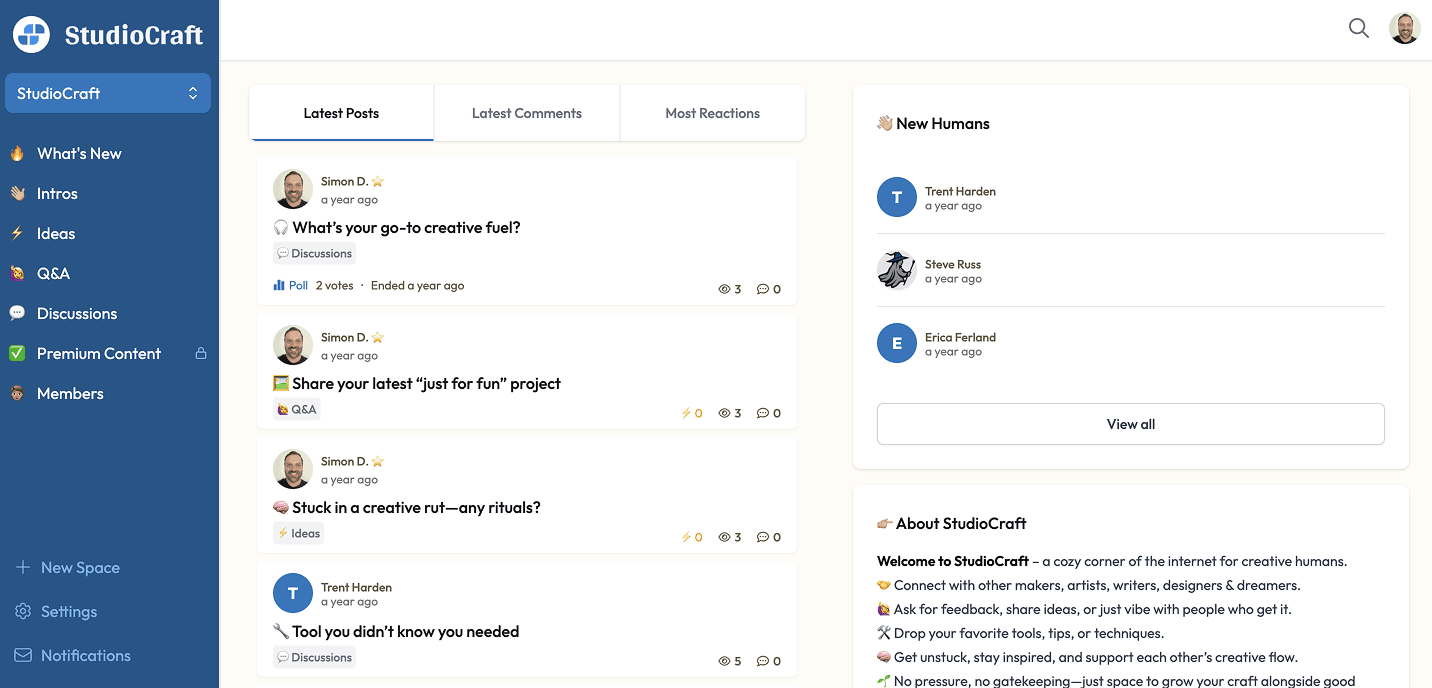
A single multi-tenant platform where each community is an isolated workspace with its own branding, roles, permissions, and moderation, while people can belong to many communities under one identity. Members get full profiles that feed a talent marketplace matching people to opportunities.
How it's built
This is a multi-tenant platform: one codebase and one database serve many independent communities, each with its own branding, members, roles, and content. The most interesting part to model was membership. Communities are not walled-off silos of users; a single person can belong to many communities at once, so membership is a many-to-many relationship between people and communities rather than a property of the account.
That shape drives authorization. A person has one identity on the platform, and that identity carries their memberships. Roles and permissions are scoped to the community rather than the account, so the same user can be an owner or moderator in one community and an ordinary member in another. We modelled membership as a first-class record that joins a user to a community and carries their roles there, so every authorization check resolves against the membership for the community in context.
Each community runs itself through its own admin controls: inviting and managing members, configuring spaces, setting moderation rules, shaping its branding identity, and defining the member roles that the permission system enforces.
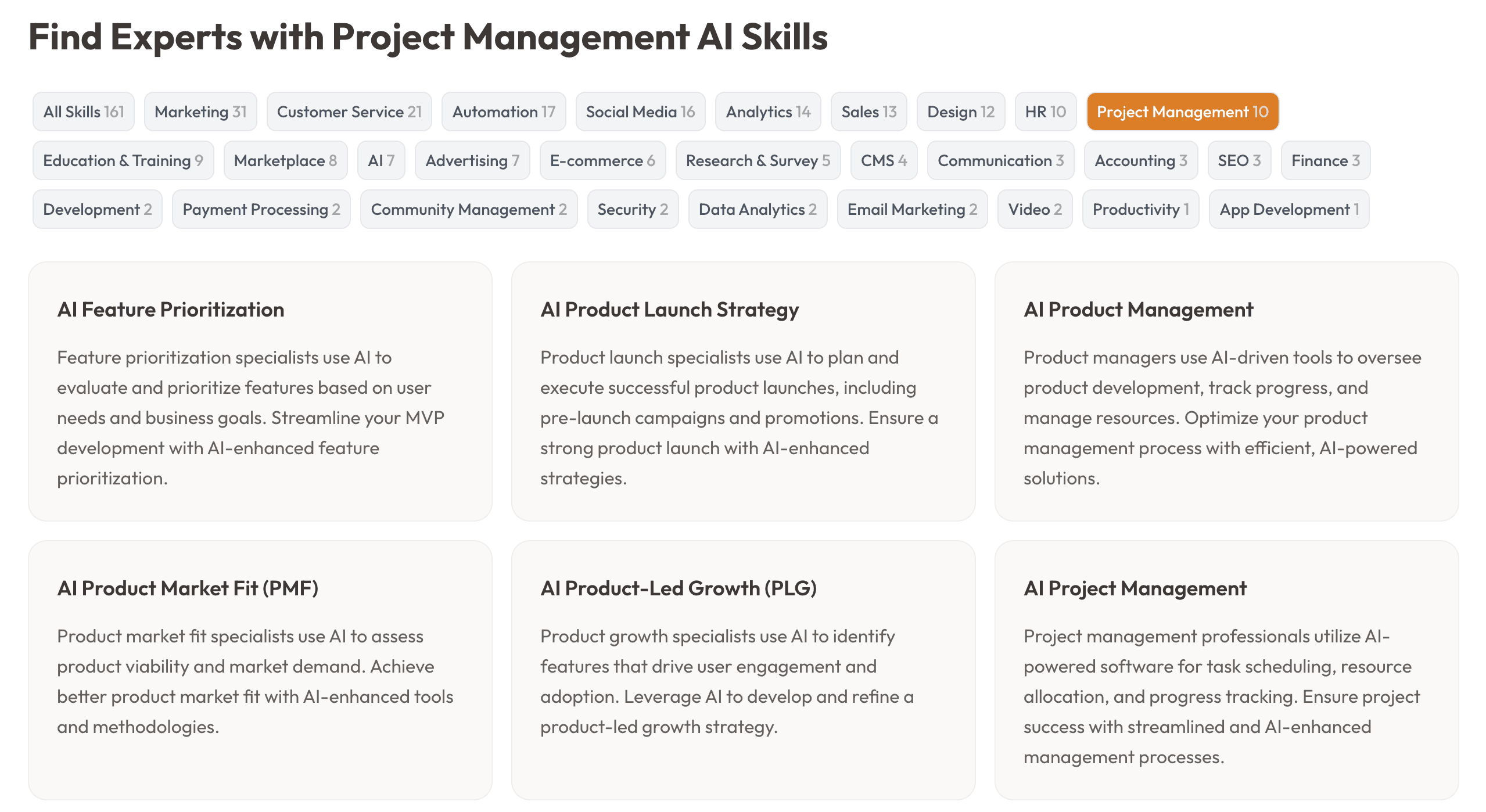
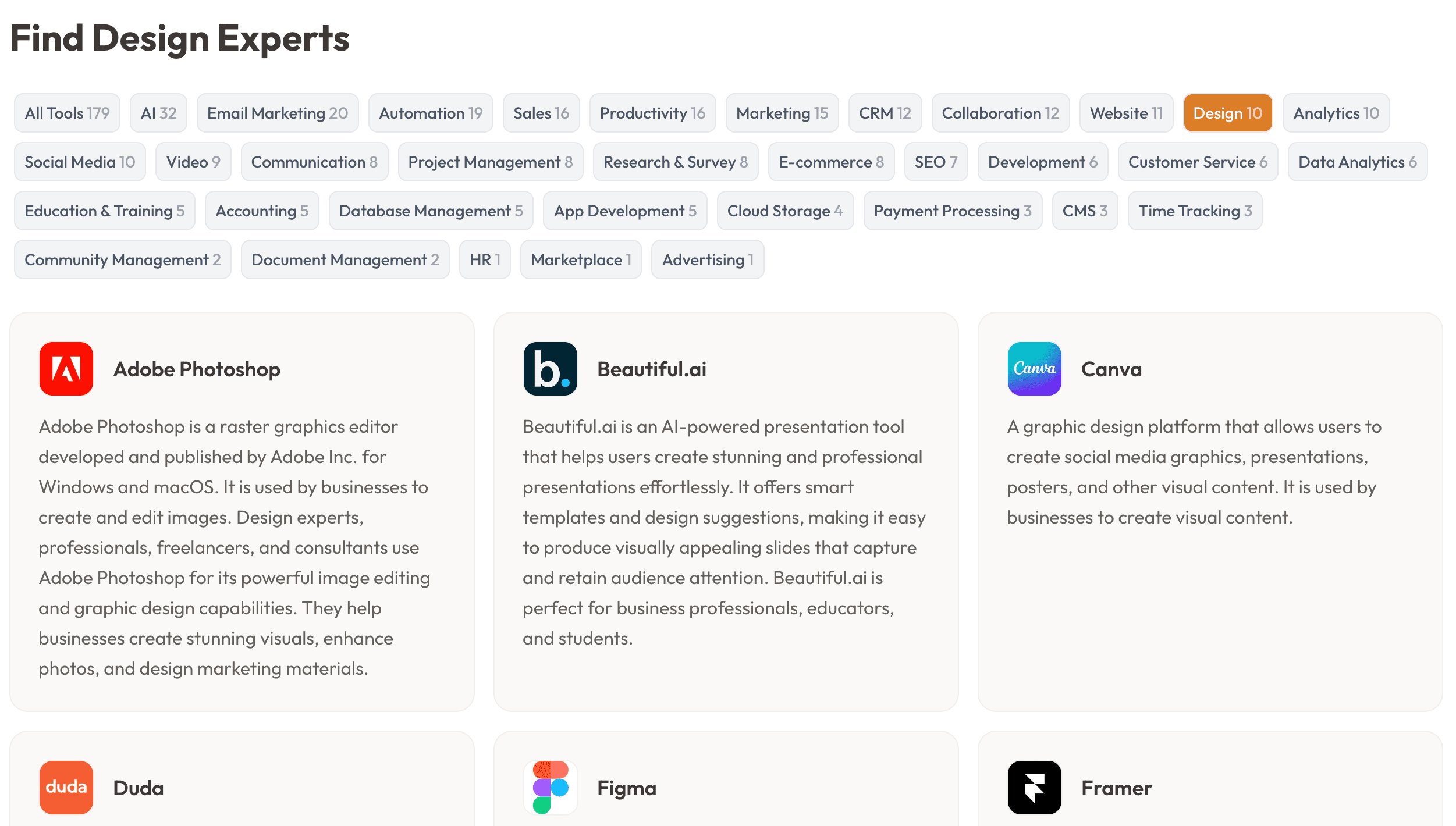
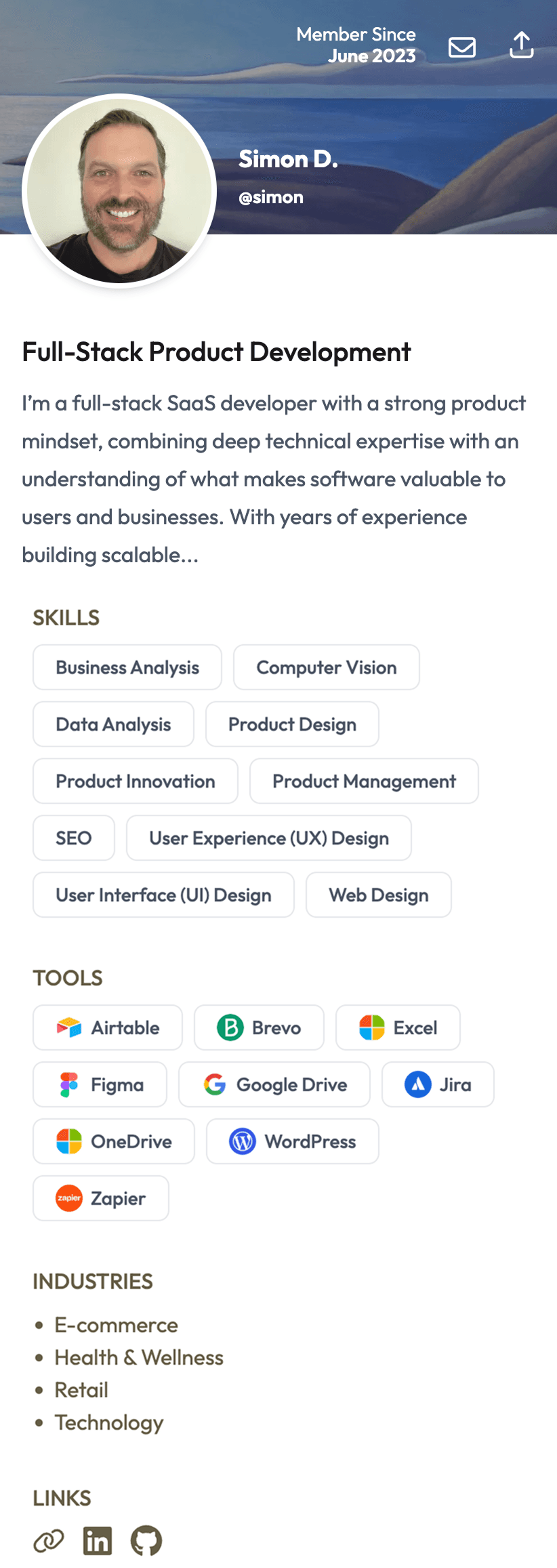
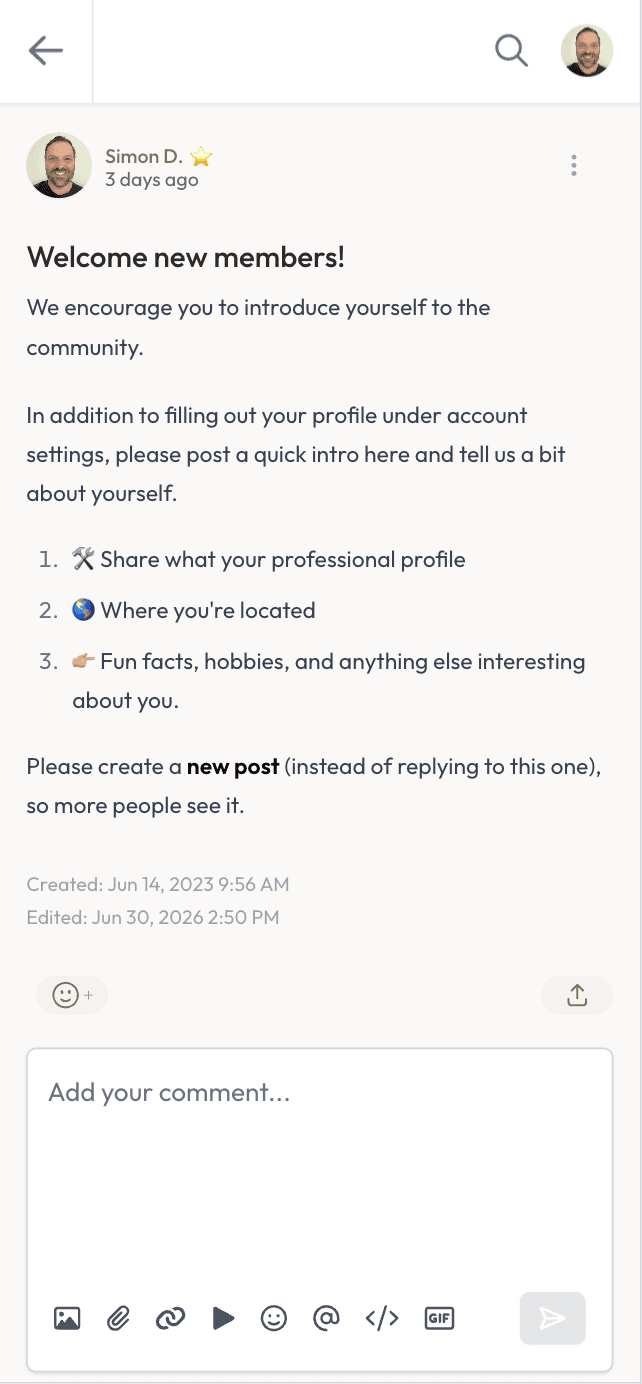
The community side centers on threaded discussions, comments, spaces, polls, and reactions. Member profiles capture skills, tools, and industries as first-class lookup records assigned to a profile like tags, rather than as free text. That structured data is what powers the talent marketplace: profiles can be found through fuzzy text search or filtered by skill, tool, or industry. We also generated an SEO landing page for every skill and tool, each featuring highlighted talent for that specialty, so the marketplace doubles as a discovery surface for organic search rather than just an internal directory.